


-

Add: HeBei ShengShi HongBang Cellulose Technology CO.,LTD.
-

Email
13180486930@163.com -

CONTACT US
+86 13180486930

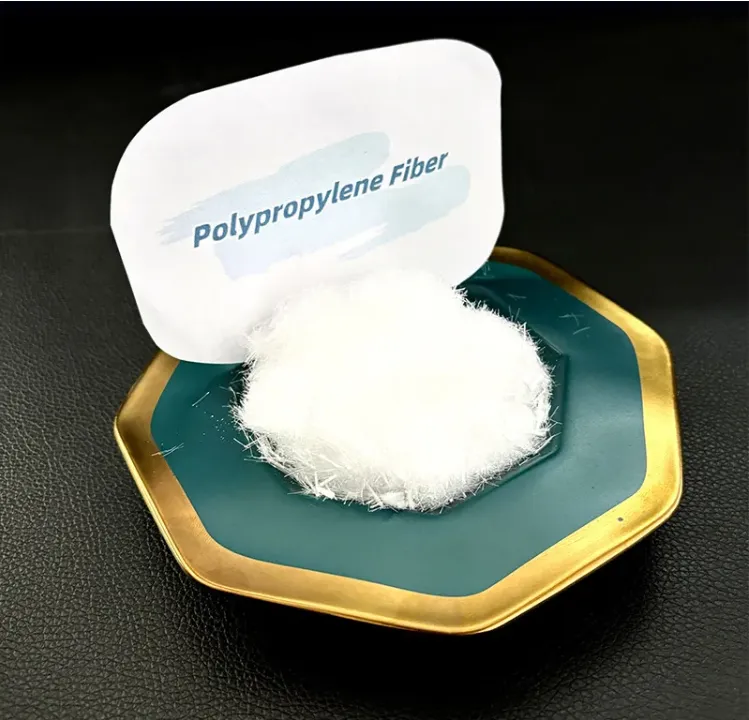
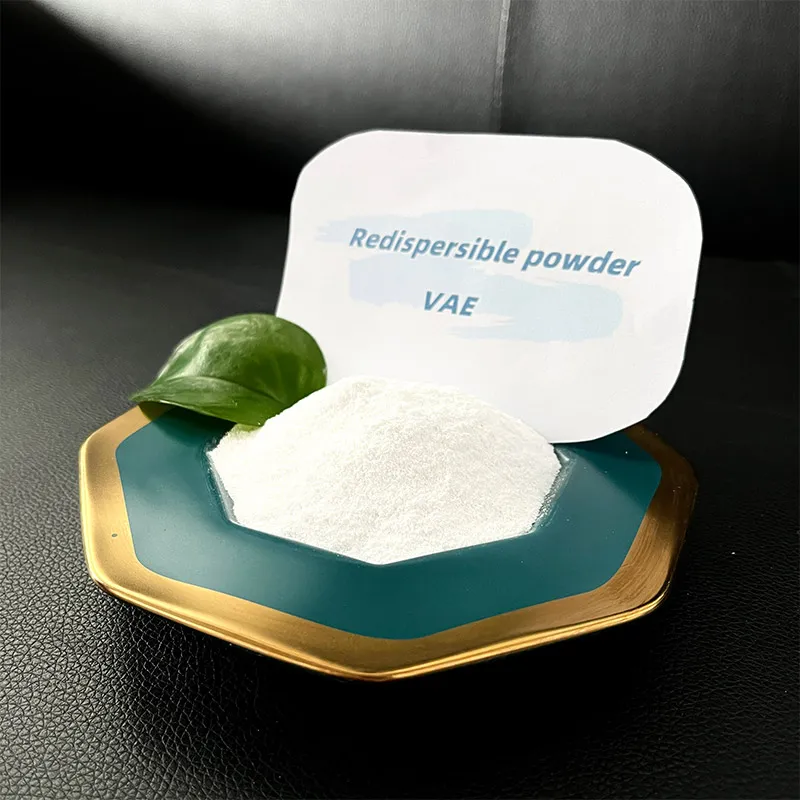
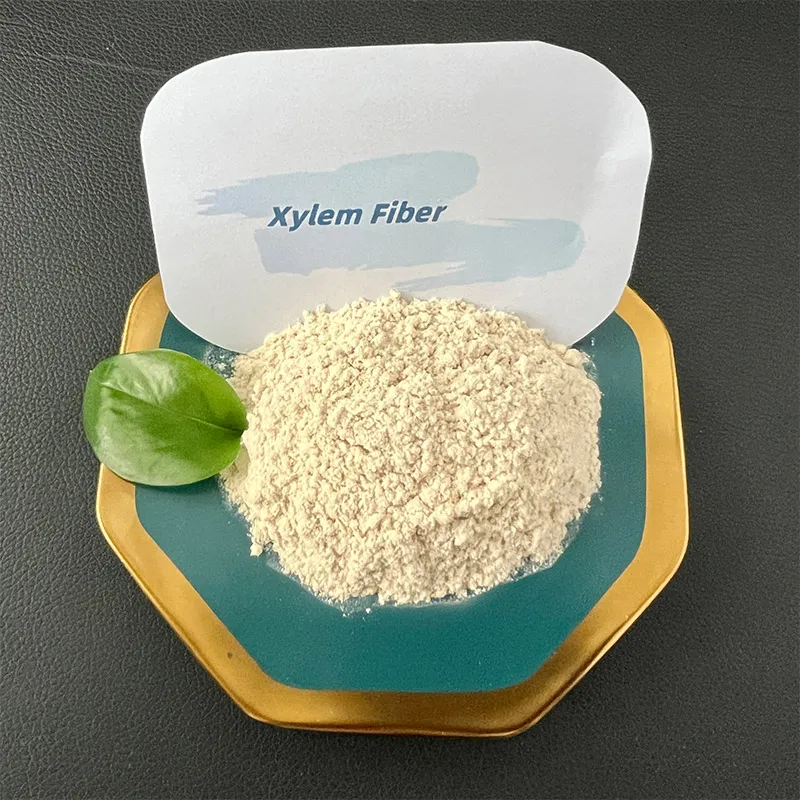
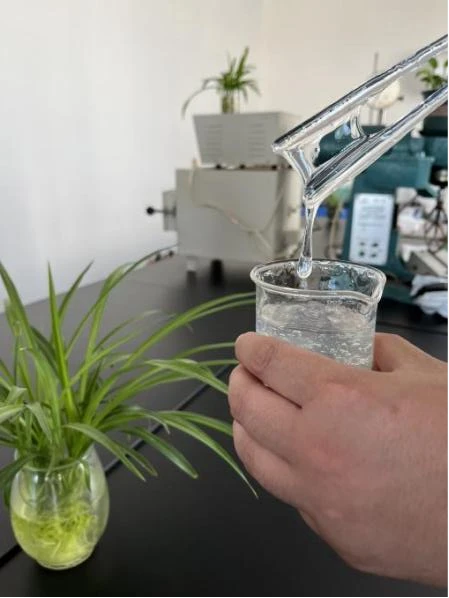


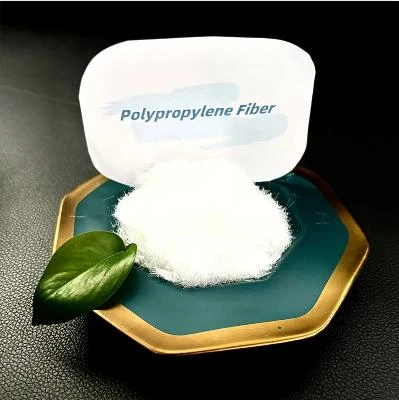
El Hormigón Armado con Polifibras Innovación y Ventajas en la Construcción Moderna El hormigón armado ha revolucionado el sector de la construcción desde su introducción, proporcionando estructuras más resistentes y duraderas. Sin embargo, con el tiempo, la búsqueda de materiales que potencien aún más las características del hormigón ha llevado al desarrollo del hormigón armado con polifibras. Este innovador enfoque combina las propiedades del hormigón con la añadidura de fibras, lo que se traduce en múltiples ventajas para diferentes aplicaciones en la construcción. Las polifibras, que pueden ser de diferentes materiales como polipropileno, acero o vidrio, son elementos que se incorporan al hormigón en forma de filamentos finos. Su inclusión en la mezcla no sólo mejora el comportamiento mecánico del material, sino que además aporta beneficios significativos en términos de durabilidad y resistencia a la fatiga. Esto es especialmente relevante en estructuras sometidas a condiciones extremas, tales como las que se encuentran en regiones sísmicamente activas o en ambientes industriales agresivos. El Hormigón Armado con Polifibras Innovación y Ventajas en la Construcción Moderna Además de su resistencia a las fisuras, el hormigón con polifibras presenta una mejora notable en su durabilidad. Las fibras actúan como un refuerzo adicional, permitiendo que el hormigón se adapte mejor a los cambios ambientales. Por ejemplo, en entornos donde el hormigón puede estar expuesto a ciclos de congelación y descongelación, la adición de polifibras puede prevenir el daño estructural que comúnmente resulta de estos ciclos. Esto se traduce en una vida útil más larga para las estructuras construidas con este material, lo que es un factor decisivo en proyectos de gran envergadura y costo elevado. béton armé de polyfibres El uso de hormigón armado con polifibras también se asocia con una mayor eficiencia en el proceso constructivo. Al reducir la necesidad de control constante de fisuras y garantizar una mejor cohesión del material, los tiempos de construcción pueden disminuir. Esto no solo favorece la planificación de proyectos, sino que también reduce los costos operativos, permitiendo un uso más eficiente de los recursos. Otro aspecto a considerar es el impacto ambiental del uso de hormigón armado con polifibras. A medida que las industrias buscan opciones más sostenibles, la utilización de fibras recicladas en la producción del hormigón ofrece una alternativa ecológica. Este tipo de hormigón no solo optimiza el rendimiento de las estructuras, sino que también contribuye a la reducción de residuos, alineándose con los objetivos de desarrollo sostenible. En la práctica, el hormigón armado con polifibras se ha utilizado en una variedad de aplicaciones, desde pavimentos y elementos prefabricados hasta estructuras más complejas como puentes y edificios de gran altura. Su versatilidad y superioridad técnica en comparación con el hormigón tradicional lo han posicionado como una opción preferente en proyectos innovadores. En conclusión, el hormigón armado con polifibras representa un avance significativo en la construcción moderna. Al combinar robustez, durabilidad y eficiencia, este material no solo responde a las exigencias contemporáneas del sector, sino que también plantea un futuro más sostenible para la infraestructura. La adopción de estas tecnologías en diferentes obras es, sin duda, una inversión en la calidad y longevidad de las construcciones, un factor esencial en la planificación urbana y el desarrollo de comunidades más resistentes y eficientes.
- 40000tons

Production
- 20+years

Experience
- 5000+㎡

Acreage

-
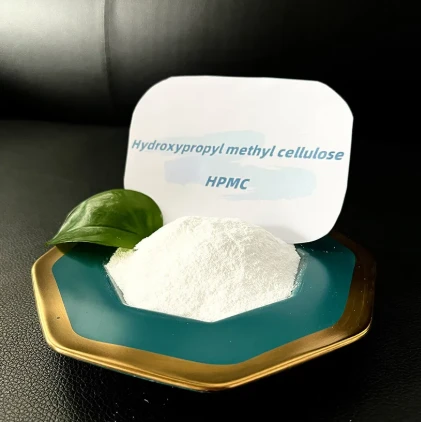
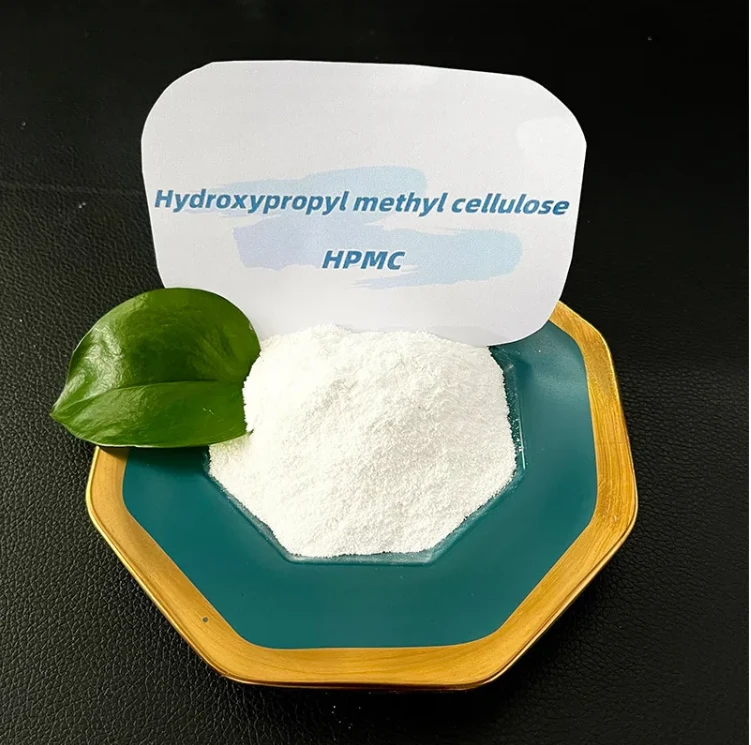
Delving into the realm of skincare often feels like navigating a maze, replete with a plethora of ingredients scientifically engineered to enhance and rejuvenate skin. Among these, hydroxypropyl methylcellulose (HPMC) emerges as a significant player , offering transformative benefits and capturing the interest of skincare enthusiasts and professionals alike. Known commonly for its thickening properties in food and pharmaceuticals, HPMC's adaptation into skincare products underscores a fascinating intersection of science and beauty. The efficacy of HPMC in skincare is primarily rooted in its unparalleled ability to hydrate and protect the skin. By forming a protective barrier on the skin’s surface, HPMC locks in moisture, catering to those plagued by dryness and irritation. This protective layer not only prevents water loss but also shields the skin from environmental aggressors, such as pollutants and UV radiation, thereby enhancing skin resilience and appearance. Dermatologists and skincare experts frequently laud HPMC for its hypoallergenic nature. Unlike many synthetic compounds, HPMC is derived from cellulose, a natural polymer found in plant cells. This origin makes it biodegradable and generally well-tolerated by even the most sensitive skin types, addressing the growing consumer demand for both efficacy and safety in skincare formulations. Incorporating HPMC into skincare routines has shown remarkable results, especially in products designed to soothe and calm the skin. Its unique structural composition enables it to mimic the skin’s natural barrier, thereby aiding in repair processes. Products containing HPMC are thus ideal for individuals with compromised skin barriers, such as those suffering from eczema or dermatitis, where maintenance of skin integrity is paramount. For consumers seeking anti-aging benefits, HPMC offers an enticing proposition. Its moisture-retaining properties significantly contribute to plump, youthful-looking skin, helping to smooth fine lines and wrinkles. The ability of HPMC to enhance the stability and delivery of active ingredients in formulations cannot be overlooked, making it a prized ingredient in serums and creams targeting signs of aging. hydroxypropyl methylcellulose skin care The versatility of HPMC extends beyond hydration and barrier protection. Its application in skincare products often enhances the texture and spreadability of creams and lotions, which improves user experience and product application. This versatility allows formulators to create products that not only deliver effective skincare solutions but also provide a luxurious sensory touch that consumers adore. Skincare professionals, backed by clinical studies, emphasize that the inclusion of HPMC in skincare formulations is a testament to its multifunctional advantages. Moreover, its compatibility with a wide range of ingredients facilitates active synergy, enhancing the overall efficacy of the formulation. This adaptability ensures that HPMC-enriched products can be tailored to specific skincare needs, be it hyperpigmentation, uneven texture, or basic hydration. Trust in HPMC-infused skincare comes from years of insightful research and development. Reputable brands relying on evidence-based science continue to innovate with HPMC, bringing forth products that embody expertise in formulation and meticulous attention to consumer safety. Transparency in formulation and an unwavering commitment to quality assure consumers of the credibility and authority of HPMC-based skincare products. Ultimately, as awareness and understanding of ingredient profiles grow among consumers, the appreciation for HPMC in skincare is likely to escalate. Seen as a bridge between scientific precision and natural efficacy, HPMC carves a niche in the ever-evolving landscape of skincare. For those embarking on a skincare journey prioritizing hydration, protection, and skin health, products featuring hydroxypropyl methylcellulose present a compelling choice, blending innovation with reliable skincare benefits.
-
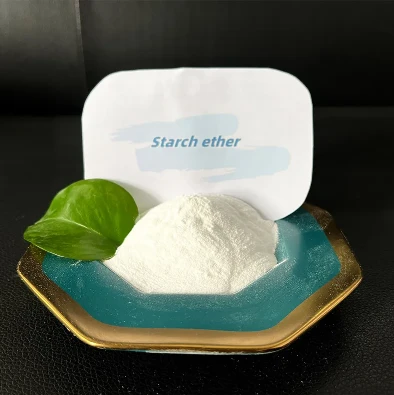
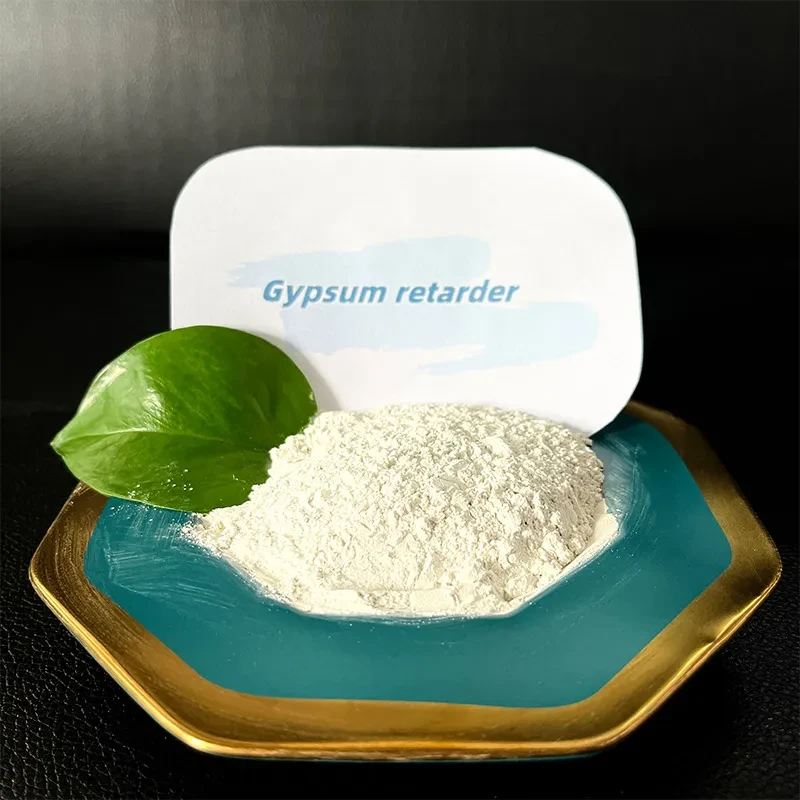
Retarders in gypsum are pivotal components that serve to adjust the setting time of gypsum-based products, providing ample workability and enhanced performance in various applications. Predominantly used in the construction industry, these retarders are instrumental in offering precise control over the hydration process of gypsum, thereby optimizing both the usability and the efficacy of the final product. One of the quintessential experiences when working with gypsum is managing its setting time. This is where retarders become invaluable . Without them, gypsum plaster would set too quickly, which can be problematic during applications requiring a more extended manipulation period. My first-hand experience in utilizing gypsum retarders has shown remarkable improvements in application efficiency, particularly in large-scale projects where precision is paramount. By incorporating retarders, the workability window is expanded, allowing for meticulous application without the stress of accelerated setting. In terms of expertise, understanding the chemical interaction between gypsum and retarders is critical. Retarders function by interfering with the crystallization process of calcium sulfate dihydrate, slowing down the conversion from hemihydrate to dihydrate. This expertise emerges as a critical factor in customizing gypsum products for specific needs. For instance, in decorative plasterwork, a more prolonged setting time is desirable to allow artisans enough time to create intricate designs. Consequently, selecting an appropriate retarder enhances the artisanal quality and reduces waste produced by premature setting. As an authoritative voice in the industry, my journalistic interactions with leading manufacturers and researchers underscore the importance of selecting high-quality retarders. These interviews have revealed that the most effective retarders are those derived from natural sources, such as citric acid or tartaric acid. These compounds not only effectively prolong the setting time but are also environmentally benign, promoting sustainable building practices. Furthermore, research publications consistently support the use of these natural retarders over synthetic alternatives, highlighting their superior performance and lower environmental impact. retarder in gypsum Trustworthiness in product description cannot be overstated, especially for those making decisions in procurement and application. Reliable gypsum retarders are backed by rigorous testing and certifications ensuring their effectiveness and safety. A key trust factor emerges from using products compliant with international standards, such as ISO regulations, which certify the performance consistency and quality assurance of the retarders. Trust is further reinforced by comprehensive usage guidelines provided by manufacturers, outlining the proportion of retarder to be used based on the gypsum's characteristics and environmental conditions, guaranteeing optimal results. A practical product application scenario involves using gypsum-based joint compounds in drywall installation. In my extensive use cases, incorporating retarders has proven to make a significant difference. The retarder ensures that the joint compound remains workable, allowing for a seamless application across extensive surfaces without the concern of irregular curing or cracking. This not only results in a professionally finished surface but also maintains structural integrity and aesthetic appeal over time. Moreover, as emerging technologies continue to integrate with construction methodologies, smart retarders are being developed to adapt to various environmental conditions. These advanced retarders adjust their performance based on temperature and humidity, providing a more predictable setting time regardless of external factors. This technological innovation propels gypsum products into a new era of reliability and functionality. In conclusion, retarders in gypsum products serve as indispensable tools in the modern construction landscape. Their ability to control setting times not only enhances application efficiency but also elevates the quality of the final product. With vast applications ranging from general construction to high-end decorative finishes, leveraging the experience, expertise, authority, and trustworthiness of properly selected retarders can lead to groundbreaking results and sustainable practices. As we embrace advancements within the industry, these additives will undoubtedly continue to play a critical role in shaping the future of construction materials, ensuring both performance excellence and environmental responsibility.
advantages
-

200000 Viscosities
Excellent product
We can produce pure products up to 200,000 viscosities
-

40000 tons
High yield
We don’t stop production all year round, and the annual output can reach 40,000 tons
-

24 hours
Quality service
We provide 24-hours online reception service, welcome to consult at any time
———— Inquiry Form
Schedule A services



-
 hpmc_e15
Oct . 25, 2025
Hydroxypropyl methylcellulose, popularly branded as HPMC Methocel, is an indispensable additive in v -
 is_hpmc_safe
Oct . 25, 2025
Hydroxypropyl Methylcellulose (HPMC) is a multifaceted compound that has garnered significant attent -
 hormigon_armado_con_polipropileno
Oct . 25, 2025
Methocel F50 is a trademarked brand of methylcellulose ether, commonly used as a thickener, emulsifi


